
Showing posts with label Philosopy. Show all posts
Showing posts with label Philosopy. Show all posts

Avoiding One's Fear by Fiona Macdonald

Most of us spend a huge amount of mental energy trying to push away fear, to block it from our minds completely. We live in a world of painkillers, tranquilizers, beta blockers and all sorts of more raucous solutions to fear; people will go to remarkable lengths to push aside the thoughts they least want to think.
Yet, as William Stafford suggests in For My Young Friends, it is only by allowing our fears in, by bending with them instead of trying rigidly to ignore them, that we can grow. Our fears are always on the edge of our vision, with us whether we acknowledge them or not. By understanding them better we can also understand ourselves. Fears are our motivations just as much as desires are. They are what makes us who we are, and what keeps us safe.
Running away may feel good in the short term – in fact, it can feel wonderful for a while. But if you’re always running and never engaging, you’ll find you’re facing in the wrong direction for your whole life. You’ll never have the chance to look back the way you came and feel proud.
Fears are not your enemies, they are your companions. Some of them are liars, and some of them are wise guides. Without getting to know them properly, you will never be able to determine which ones are which. Look your fears dead in the eye, and try to understand them. Don’t flinch, and don’t blink. You are not alone. Everyone is afraid. This is the world, and we all live here.


Solution Oriented Mind
Problem Oriented vs Solution Oriented - By Steve Mueller
Every person approaches a problem in a different way. Some focus on the problem or the reason why a problem emerged (problem focused thinking). Others prefer to think about possible solutions that help them to solve a problem (solution focused thinking).
Approaching a difficult situation problem oriented might be helpful if we attempt to avoid similar problems or mistakes in the future, but when it comes to solving the problem we simply waste large amounts of our precious time! Problem focused thinking does not help us at all to solve difficult situations, which is especially necessary in times where one must find quick solutions to an upcoming problem. Furthermore the problem focused approach can have negative effects on ones motivation.
We start to think solution oriented once we are aware that we cannot change certain facts/problems and will only spend our time in an inefficient way when we seek for the possible reasons for these situations. By clarifying the reasons why a problem need to be solved and the tasked required is important then we can focus on solutions in attaining goals we desire.
5 Traits of a Solution Oriented Person - By Wendy Nicole

Every person approaches a problem in a different way. Some focus on the problem or the reason why a problem emerged (problem focused thinking). Others prefer to think about possible solutions that help them to solve a problem (solution focused thinking).
Approaching a difficult situation problem oriented might be helpful if we attempt to avoid similar problems or mistakes in the future, but when it comes to solving the problem we simply waste large amounts of our precious time! Problem focused thinking does not help us at all to solve difficult situations, which is especially necessary in times where one must find quick solutions to an upcoming problem. Furthermore the problem focused approach can have negative effects on ones motivation.
“Doubt kills more dreams than failure ever will.” - Suzy Kassem
We start to think solution oriented once we are aware that we cannot change certain facts/problems and will only spend our time in an inefficient way when we seek for the possible reasons for these situations. By clarifying the reasons why a problem need to be solved and the tasked required is important then we can focus on solutions in attaining goals we desire.
5 Traits of a Solution Oriented Person - By Wendy Nicole
- Have the ability to look at the situation for what it is. Don’t get emotionally involved. Evaluate the facts and only focus on the possibility of what could be the future.
- Systematic and strategic. After assessing the situation, they look for ways to bring their idea to life. What happened or what was is no longer a factor. Their intention is to move from point A to point B. They are intentional and they are relentless in their pursuit to change their reality.
- Doesn't feed the fear and doesn't bow down to excuses….the shoulda, couldas,and if’s have no place in their efforts to move forward. They have the ability to ask themselves the hard questions. They don’t run from the ugly truth. They are willing to face it so that they don’t make the same mistake again. They don’t get stuck in the “I don’t know zone” because they are willing to explore their options. They are able to stay calm in the midst of chaos. They have an idea of what the end result looks like. They make decisions that are in alignment with their purpose. They don’t make blind decisions. Consideration, research, and soul searching is required to help them become effective decision makers.
- Hands down are a “Get it Done Person” regardless of adversity, limited or no resources. When faced with a No or unsatisfactory situation they are determined to make things pan out in their favor because their WHY has been defined and they have a clear picture of their desired future self.
- Solution Oriented people excel in the midst of madness. They are able to see clear through the bullshit and zero in on what matters the most, their goals, their happiness, and personal welfare.

KEEP YOUR EYES ON THE PRIZE


Rubaiyat of Omar Khayyam
by Richard Le Gallienne
Nor idle I who speak it, nor profane,
Nor idle I who speak it, nor profane,
This playful wisdom growing out of pain;
How many midnights whitened into morn
Before the seeker knew he sought in vain.
You want to know the Secret--so did I,
Low in the dust I sought it, and on high
Sought it in awful flight from star to star,
The Sultan's watchman of the starry sky.
Up, up, where Parwin's hoofs stamp heaven's floor,
My soul went knocking at each starry door,
Till on the stilly top of heaven's stair,
Clear-eyed I looked--and laughed--and climbed no more.
Of all my seeking this is all my gain:
No agony of any mortal brain
Shall wrest the secret of the life of man;
The Search has taught me that the Search is vain.
Yet sometimes on a sudden all seems clear--
Hush! hush! my soul, the Secret draweth near;
Make silence ready for the speech divine--
If Heaven should speak, and there be none to hear!
Yea! sometimes on the instant all seems plain,
The simple sun could tell us, or the rain;
The world, caught dreaming with a look of heaven,
Seems on a sudden tip-toe to explain.
Like to a maid who exquisitely turns
A promising face to him who, waiting, burns
In hell to hear her answer--so the world
Tricks all, and hints what no man ever learns.
Look not above, there is no answer there;
Pray not, for no one listens to your prayer;
Near is as near to God as any Far,
And Here is just the same deceit as There.
To me there is much comfort in the thought
That all our agonies can alter nought,
Our lives are written to their latest word,
We but repeat a lesson He hath taught.
That all our agonies can alter nought,
Our lives are written to their latest word,
We but repeat a lesson He hath taught.
So since with all my passion and my skill,
The world's mysterious meaning mocks me still,
Shall I not piously believe that I
Am kept in darkness by the heavenly will?
And do you think that unto such as you,
A maggot-minded, starved, fanatic crew,
God gave the Secret, and denied it me?--
Well, well, what matters it! believe that too.

Be Free From Resentment
By Sarah Louise Gess
“Never apologize for showing feelings. When you do so, you apologize for the truth.” ~Benjamin Disraeli”
We often experience resentment toward other people when we find it hard to forgive them and hold onto unspoken pain.
Whenever we feel we’ve been treated unfairly, judged, or wronged, we have a very powerful internal reaction.
The emotions we experience are strong. We feel them intensely and deeply, because they challenge us to reassess the self-image we hold of ourselves.
The unexpressed painful emotions we experience as a result of other peoples’ actions have the potential to transform into resentment if they are not released in a healthy, effective, and timely way.
Resentment lives inside us, feeding on our negative feelings and emotions. It becomes stronger the longer it is ignored. It can mutate and develop into a warped veil, which prevents us from seeing the world from a healthy, balanced perspective.
If left unresolved, resentment has the power to be all consuming, and is very effective at fuelling anger.
In turn, unexpressed, internalized anger is a ticking time-bomb which can lead to abusive or self-destructive behavior, or a combination of both.
Resentment is a very personal and private emotion, as it has almost no effect on the person it is directed towards.
It resides with its owner, and causes negativity and pain.
Given a conducive set of circumstances and enough time, I can experience resentment on a powerful scale. I believe this is, in part, rooted in my formative years. I was brought up in a home where expressing strong, “negative” emotions was prohibited.
I grew up believing it was unacceptable to express hurt, disappointment, frustration, or anger toward the people who evoked these very emotions in me.
By the time I reached my teen years, I had unwittingly yet wholeheartedly perfected the internalization of painful emotions.
Resentment had found a comfortable home inside me, neighbored by my reluctance and fear of expressing myself.
Whenever anyone hurt me, intentionally or otherwise, I would simply deny my emotions by storing them in a box inside me labelled “deal with this later.” However, later never came. What did come was resentment toward the people who’d hurt me—that and anger.
At the time, I saw this as a kind of pay-off. “If I keep my feelings hidden and unexpressed, then I don’t have to risk jeopardizing the quality of my relationship with this person.”
In truth, I was terrified of rejection.
This fear fuelled my reluctance to express my pain to the people who’d hurt me. Ultimately, the person who I ended up hurting the most was me.
As a young adult I began to reflect; to try to understand how my behavior, reactions, and choices were affecting my overall well-being and happiness in life.
At first, I felt weak for not being able to consciously override my existing behavior patterns and simply create newer, healthier thought processes and actions.
I wanted more for myself than a life limited by my own self-imposed parameters.
It took a lot of honest and thoughtful self examination to begin to realize, understand, and accept what was preventing me from living a life free from bitterness.
After years of denying myself the full spectrum of my emotions, I resented anyone who stirred powerful, “negative” feelings inside me. My resentment toward others was intrinsically linked to my own inability to express painful emotions.
Looking back, I feel that if I had expressed myself more truthfully, I would not have clung so desperately to the resentment and anger. I also believe I would have welcomed forgiveness and been able to enjoy closer relationships with others more readily.
Everyone needs to express themselves. This is not a luxury; this is an absolute necessity.
To be fully free and completely ourselves, we must feel comfortable enough to outwardly express our emotions, whatever form they take.
If you are experiencing feelings of resentment, here are a few tips that may help you to let go and move forward:
When we deny our feelings, we are denying the truth. What kind of life are we living if we are not living truthfully?
Allowing ourselves to feel our full range of emotions is not only liberating and necessary, but it also helps cleanse us of negativity which we may be subconsciously holding on to.
Many of us are conditioned to see emotions as “good” and “bad.” To regard the complexity of emotions as either black or white belies the learning opportunities which are embedded and disguised in experiencing them.
For example, jealousy could be regarded as a “bad” emotion; however, if we open our minds and hearts, we could also see that this emotion is our own personal doorway to learning more about fear, trust, and connection.
When someone hurts us, intentionally or accidentally, we have a responsibility to ourselves to express our pain.
This needn’t be self indulgent or pitiful, but an understanding that it is our right to express that pain in an effective, healthy manner which helps us to let go and move forward.
The next time you experience a strong emotion such as fear, hurt, disappointment, anger, fury, or panic, try using this simple mantra:
“Right now I feel (INSERT EMOTION). I give myself permission to feel (INSERT EMOTION) because I have a right to express myself and my emotions.”
When we stop trying to control our feelings, and start embracing the colorful way in which our hearts communicate with us, life begins to teach us our most important lessons.
It takes huge strength and courage to express and communicate our pain to the people who hurt us. In doing so, we expose our vulnerable side—the very part that we want to protect and keep safe.
But when we communicate painful emotions, we take a step outside of our comfort zone and into a wonderful learning and growth opportunity.
The next time someone’s actions hurt you, try telling them how you feel. For example, “When you raise your voice, I feel scared and disrespected,” or “When you ignore me, it makes me feel unappreciated.” Choose the right words to convey your feelings.
Try to express yourself from a calm and balanced frame of mind. Your words will have more effect if you are able to express them from a strong, healthy standpoint.
Remember that you are doing this for you. It may also help the relationship, but your main motivation for communicating and expressing your feelings is your commitment to living a truthful life, free from resentment.
Forgiveness is your own personal honor. The ability to wholly and truly forgive is one of the greatest gifts you can ever give yourself.
Forgiveness sets you free from resentment’s confines; it breaks down the walls that anger builds and negativity reinforces.
When we forgive, we stop letting ours pasts dictate our presents. We acknowledge we want the very best for ourselves; accepting that our past makes us the person we are today, and embracing that.
Letting go of resentment doesn’t necessarily lead to forgiveness, but when you embrace forgiveness, resentment ceases to exist.
When we commit to expressing ourselves fully, we become stronger, more confident, and more aware.
We cannot control what other people do, but we can control how we react. When we practice truthful living, self-expression, and forgiveness, resentment simply has no place or power in our lives.

“Never apologize for showing feelings. When you do so, you apologize for the truth.” ~Benjamin Disraeli”
We often experience resentment toward other people when we find it hard to forgive them and hold onto unspoken pain.
Whenever we feel we’ve been treated unfairly, judged, or wronged, we have a very powerful internal reaction.
The emotions we experience are strong. We feel them intensely and deeply, because they challenge us to reassess the self-image we hold of ourselves.
The unexpressed painful emotions we experience as a result of other peoples’ actions have the potential to transform into resentment if they are not released in a healthy, effective, and timely way.
Resentment lives inside us, feeding on our negative feelings and emotions. It becomes stronger the longer it is ignored. It can mutate and develop into a warped veil, which prevents us from seeing the world from a healthy, balanced perspective.
If left unresolved, resentment has the power to be all consuming, and is very effective at fuelling anger.
In turn, unexpressed, internalized anger is a ticking time-bomb which can lead to abusive or self-destructive behavior, or a combination of both.
Resentment is a very personal and private emotion, as it has almost no effect on the person it is directed towards.
It resides with its owner, and causes negativity and pain.
Given a conducive set of circumstances and enough time, I can experience resentment on a powerful scale. I believe this is, in part, rooted in my formative years. I was brought up in a home where expressing strong, “negative” emotions was prohibited.
I grew up believing it was unacceptable to express hurt, disappointment, frustration, or anger toward the people who evoked these very emotions in me.
By the time I reached my teen years, I had unwittingly yet wholeheartedly perfected the internalization of painful emotions.
Resentment had found a comfortable home inside me, neighbored by my reluctance and fear of expressing myself.
Whenever anyone hurt me, intentionally or otherwise, I would simply deny my emotions by storing them in a box inside me labelled “deal with this later.” However, later never came. What did come was resentment toward the people who’d hurt me—that and anger.
At the time, I saw this as a kind of pay-off. “If I keep my feelings hidden and unexpressed, then I don’t have to risk jeopardizing the quality of my relationship with this person.”
In truth, I was terrified of rejection.
This fear fuelled my reluctance to express my pain to the people who’d hurt me. Ultimately, the person who I ended up hurting the most was me.
As a young adult I began to reflect; to try to understand how my behavior, reactions, and choices were affecting my overall well-being and happiness in life.
At first, I felt weak for not being able to consciously override my existing behavior patterns and simply create newer, healthier thought processes and actions.
I wanted more for myself than a life limited by my own self-imposed parameters.
It took a lot of honest and thoughtful self examination to begin to realize, understand, and accept what was preventing me from living a life free from bitterness.
After years of denying myself the full spectrum of my emotions, I resented anyone who stirred powerful, “negative” feelings inside me. My resentment toward others was intrinsically linked to my own inability to express painful emotions.
Looking back, I feel that if I had expressed myself more truthfully, I would not have clung so desperately to the resentment and anger. I also believe I would have welcomed forgiveness and been able to enjoy closer relationships with others more readily.
Everyone needs to express themselves. This is not a luxury; this is an absolute necessity.
To be fully free and completely ourselves, we must feel comfortable enough to outwardly express our emotions, whatever form they take.
If you are experiencing feelings of resentment, here are a few tips that may help you to let go and move forward:
Express yourself
When we deny our feelings, we are denying the truth. What kind of life are we living if we are not living truthfully?
Allowing ourselves to feel our full range of emotions is not only liberating and necessary, but it also helps cleanse us of negativity which we may be subconsciously holding on to.
Many of us are conditioned to see emotions as “good” and “bad.” To regard the complexity of emotions as either black or white belies the learning opportunities which are embedded and disguised in experiencing them.
For example, jealousy could be regarded as a “bad” emotion; however, if we open our minds and hearts, we could also see that this emotion is our own personal doorway to learning more about fear, trust, and connection.
When someone hurts us, intentionally or accidentally, we have a responsibility to ourselves to express our pain.
This needn’t be self indulgent or pitiful, but an understanding that it is our right to express that pain in an effective, healthy manner which helps us to let go and move forward.
The next time you experience a strong emotion such as fear, hurt, disappointment, anger, fury, or panic, try using this simple mantra:
“Right now I feel (INSERT EMOTION). I give myself permission to feel (INSERT EMOTION) because I have a right to express myself and my emotions.”
When we stop trying to control our feelings, and start embracing the colorful way in which our hearts communicate with us, life begins to teach us our most important lessons.
Communicate your feelings
It takes huge strength and courage to express and communicate our pain to the people who hurt us. In doing so, we expose our vulnerable side—the very part that we want to protect and keep safe.
But when we communicate painful emotions, we take a step outside of our comfort zone and into a wonderful learning and growth opportunity.
The next time someone’s actions hurt you, try telling them how you feel. For example, “When you raise your voice, I feel scared and disrespected,” or “When you ignore me, it makes me feel unappreciated.” Choose the right words to convey your feelings.
Try to express yourself from a calm and balanced frame of mind. Your words will have more effect if you are able to express them from a strong, healthy standpoint.
Remember that you are doing this for you. It may also help the relationship, but your main motivation for communicating and expressing your feelings is your commitment to living a truthful life, free from resentment.
Practice forgiveness
Forgiveness is your own personal honor. The ability to wholly and truly forgive is one of the greatest gifts you can ever give yourself.
Forgiveness sets you free from resentment’s confines; it breaks down the walls that anger builds and negativity reinforces.
When we forgive, we stop letting ours pasts dictate our presents. We acknowledge we want the very best for ourselves; accepting that our past makes us the person we are today, and embracing that.
Letting go of resentment doesn’t necessarily lead to forgiveness, but when you embrace forgiveness, resentment ceases to exist.
When we commit to expressing ourselves fully, we become stronger, more confident, and more aware.
We cannot control what other people do, but we can control how we react. When we practice truthful living, self-expression, and forgiveness, resentment simply has no place or power in our lives.
Face Reading (Mian Xiang)
 |
| Click Image to Download eBook |
10 Ways Face Reading Enhances Your Life
The benefits of Face Reading are numerous and varied. Face Reading takes you beyond mere empathy and intuition - you will be able to come to decisions about others using a finely tuned, concrete system. The ability to accurately weigh up others - to detect talent and worth or deceit and insincerity - is vital for success in all aspects of life.
1) Become A People Person
Face Reading becomes second nature very quickly. With practice, you will be able to swiftly and decisively figure out the personalities of those around you from little more than a subtle glance at their face. The most successful businessmen and romantic figures understand the personalities, needs and pitfalls of others and interact with them accordingly. Perfect your interactions with those around you and let the benefits pour into your life.
2) See Strengths & Weaknesses, Hidden To Everyone Else
We all have our own character, strength and weaknesses. Figuring out where the weaknesses and strengths of others lie is usually a time consuming prospect; after all, how can you know how a person is truly composed until you have observed them for a long period of time? The problem is that by the time we realise someone may not live up to our expectations a lot of time, money or heart has already been invested in them. No longer! Calculate and leverage the strengths of those at your workplace and uncover their motivations so you can really speak to them and get them on your page, doing what you need them to. You can even capitalise on the weaknesses or deficiencies of your competitors whilst they learn nothing about you in return. A wealth of information in your hands only, thanks to the teachings of Face Reading.
3) Navigate Emotional Minefields
A good leader improves the lives of those around them and in turn commands respect, loyalty and even affection. Take note of the feelings of others and then help them deal with problems and negative emotions. Emotions affect work, relationships - productivity, morale and the bottom line. It is in your best interests to help those you deal with to cope with their issues and lead better lives.
4) IQ Test
You can tell how intelligent someone is from their face! The intelligent are worth their weight in gold. They make superior workers and managers and contribute more, more often. Research has shown that partners of matched intelligence have a superior chance of staying together, too! A CV can be forged, but the human face gives away all the secrets of the mind - there is simply no faster gauge of IQ. Pick the very best from the crowd with ease.
5) How High Can Others Go?
Not everyone is destined to reach the top. We all have an innate wealth potential which can be read from the face; if you now where to look. You can pick those who truly have success down from those who simply brag about themselves and their chances. Separate the time wasters from the worthy when pursuing and closing high end deals and take the fastest, smoothest elevator ride to the top!
6) Get The Best People On Your Side
The people around you make or break projects. They determine whether you sink or swim. You need to be surrounded by determined, talented individuals of the finest calibre who have a real desire to help you bring your dreams to life. Face Reading is the secret intelligence gathering tool that will let you seek out and collect these rare, sought after people for your team in the easiest way. Don't take blind chances on who you surround yourself with.
7) Avoid Fraud
Police use the startlingly accurate art and science of Face Reading during their investigations to help them identify criminals and crooks. Now you, too, can predict possibilities for fraud and avoid those with the potential to do you harm in your work and social environment. Be alert.
8) Detect Insincerity When The Chips Are Down
Relationships can be tough. Feelings of doubt and insecurities can ruin even the most beautiful relationship. Equally, we can be heart broken by the insincerity of a partner. When you become adept at Face Reading, you will gain the ability to spot lies and intentions so that when something is wrong, you are the first to know about it. Knowing exactly where you stand with your partner at all times also means that when the good times really are flowing you can enjoy them with absolute peace of mind and security. Become instinctively aware of your partners needs to that you can fulfil them completely. Face Reading is the next best thing to mind reading for those in a relationship they wish to honour.
9) No Conflict
Nobody wants conflict in their home or marriage, yet conflict arises more often than anyone would like from a lack of communication and understanding. More fully understanding the nature of your spouse or family member will help you dodge conflict triggers and integrate better. Every spouse and every interpersonal relationship is different so no single approach will "fix all". Learn how to correctly deal with each cherished person in your life for maximum benefit and you may find that your relationships reach a new level of intimacy and strength. Never argue again.
10) Delegate With Certainty
Most business owners would agree that delegation can sometimes turn out to be more time consuming and frustrating as those chosen are unable or unwilling to correctly perform tasks assigned to them. As the old saying goes; "if you want something done right, do it yourself." There are, however, always people capable of taking a task you assign and completing it, to an excellent standard, with initiative and pride. Find these crucial people and see your productivity soar as you outsource tasks both menial and important knowing they will be completed correctly, giving you more free time to focus on the things that matter to you. Spot the bad apples long before you trust them with your workload.
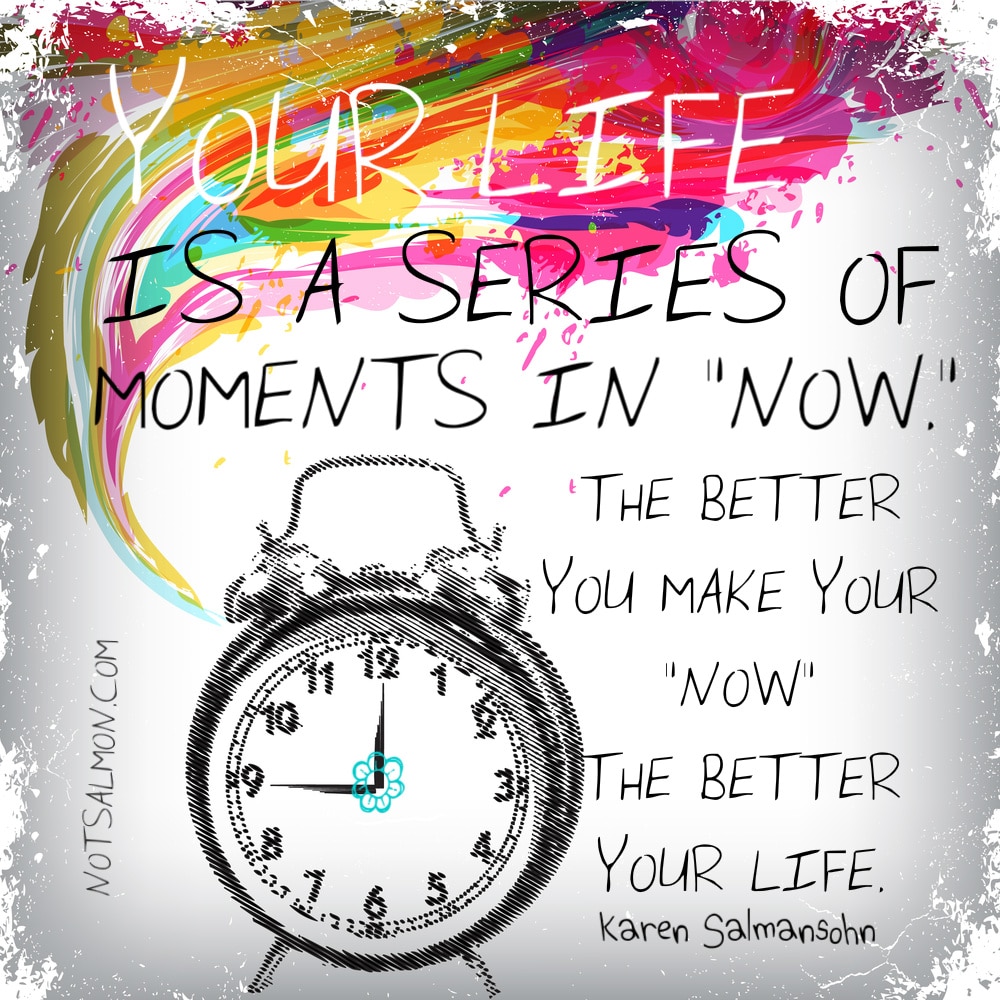
LIFE is NOW



***
Malayang Pag-uusap
Tayong dalawa ay nadanasan masaktan
ng sakit sa puso't damdamin.
Mapapatawad ang pagkakamali
pero ang malubhang sugat ay matagal maghilom.
Dahil sa sakit-loob,
ang pag-uusap ay guardiado
ayaw masaktan muli o makasakit pa.
Sa sobrang ingat
ang taos pusong pag-uusap ay naglalaho,
nawalan ng unawaan o tiwalang maunawaan.
Madalas sa kawala ng pasensiosong pang-unawa,
resulta ay awayan at dagdag na galit't sakit sa puso.
Nawala ang resonableng pag-iisip sa awayan
at nagmimistulang hayop, laban o takbo.
Sarili lang ang impotante, manalo o isalba.
Kapag napuno ng sakit ang looban,
sa galit nauuwi ang usapan.
Panalo ba mas malakas sumigaw?
Panalo ba ang nag-salita ng mas masakit?
Walang panalo sa mag-asawang pinag-isa,
at talo ang lahat sa pamilya
Mahirap pag-usapan ang mahalaga at malalim,
mga paksang buhay magasawa.
Kung walang bigayan at makasarili
kung walang unawa at dudang maunawaan.
***
Malayang Pag-uusap
Tayong dalawa ay nadanasan masaktan
ng sakit sa puso't damdamin.
Mapapatawad ang pagkakamali
pero ang malubhang sugat ay matagal maghilom.
Dahil sa sakit-loob,
ang pag-uusap ay guardiado
ayaw masaktan muli o makasakit pa.
Sa sobrang ingat
ang taos pusong pag-uusap ay naglalaho,
nawalan ng unawaan o tiwalang maunawaan.
Madalas sa kawala ng pasensiosong pang-unawa,
resulta ay awayan at dagdag na galit't sakit sa puso.
Nawala ang resonableng pag-iisip sa awayan
at nagmimistulang hayop, laban o takbo.
Sarili lang ang impotante, manalo o isalba.
Kapag napuno ng sakit ang looban,
sa galit nauuwi ang usapan.
Panalo ba mas malakas sumigaw?
Panalo ba ang nag-salita ng mas masakit?
Walang panalo sa mag-asawang pinag-isa,
at talo ang lahat sa pamilya
Mahirap pag-usapan ang mahalaga at malalim,
mga paksang buhay magasawa.
Kung walang bigayan at makasarili
kung walang unawa at dudang maunawaan.
***
Quantum Self Discovery

A Break Through on Meditation
Whereas before meditation would bring me to relaxation and a sense of peace there is always an after-thought, a niggling sense of unfulfilled promise. I am happy with previous meditations but in the some corner of my mind, a fleeting thought teases me that I missed again.
The web is brimming with information and being a Do-It-Yourself enthusiast I learned meditation from the web. From a flat-out novice, I tried techniques first from ebooks, then blogs, websites, and forums. Even though I had no direct guidance from any meditation gurus, I did progress to being relaxed, peaceful and refreshed.
The breakthrough came with perseverance on stepping onto untraveled paths; thus suddenly led to a new personal experience. The experience is unknown to me, my thoughts scattered on attempt to relate to it nearly losing focus. I dropped all thoughts and focused on the serendipity, I left reason and simply believe; immersing myself on the feeling and accepting whatever it maybe.
Complete belief and acceptance to the encounter led to ease and calm; a state of flow. Wonderful and ecstatic flow washed over me then I felt a burn in the pit of my stomach. The burn started small then blossomed to a fire, it is hard to explain or give reason now to what I felt and welcomed then. Though I described a growing flame in my core, the flame was cold.
The posture of my hands were in basic Buddhist Dhyana Mudra and were in contact with my belly. The cold spread; from core to pinkies to thumbs until it seems both hands were freezing for holding a handful of ice. The cold fistful in my hands would swirl, rise and ebb as fire would dance with the wind.
I am unaware of how long a time the flame flickered within my cupped hands; rise and ebb; swirl up and down; brimming but not spilling. My hands may have gotten used to whatever it was I was holding because my hands does not feel freezing any more. My hands were still cold but it was comfortable coldness. I also became aware the flame dance had stopped.
From this point on, I will narrate at best what I can remember but I will say I don't know why or what lead me to do the things I did then.
The flame has settled and felt more solid like gelatin, I moved both hands to a cupping position with palm-edges together. The flame were still there; not spilling nor breaking but conforming to my hands. I moved my hands again slowly to a Japanese Gassho; palms together position; It seems I was squeezing a firm but yielding object conforming from finger-tips to palm-bases. The flame became thinner as my palms and finger were closed together. No breaks. No spill. No overlap. But I knew and believe the flame were within my palms.
Hands palms-together I would move my hands palms-together and touch parts of my body in sequence I have listed. Middle of brows; mouth and chin; center of chest; and navel.
At the navel afterwards; I separated my hands and placed them palms down on my belly with only forefingers and thumbs touching their likewise-digits. Then hands in same posture, the hands cupped the scrotum.
My hands may have touch or held the enumerated parts for unknown period of time but for each duration thoughts would swirl in my head until one clear thought arise in my mind. The names of parts were the clear thoughts that were presented then. I surmise now the names are symbolic to what the parts are. The symbols I used for the parts were not revealed in the meditation. The symbols were chosen as I wrote this blog; chosen as to how the symbols can represent the thoughts I have then.
 |
| EYE OF TRUTH |
Our mind's eye to clearly see and recognize the plain truth. The absolute truth untainted by preconception and personal bias. Believing in Truth without need for reasons is to have faith impossible is possible.
 |
| WORD OF TRUTH |
Be impeccable with your Word. Use the power of your Word in the direction of truth and love. Bear witness and uphold the truth. I believe the clear thoughts I had in the meditation are Truths.
 |
| HEART OF COMPASSION |
Cognoscenti of truth beholden one to be compassionate and more so to the incognoscenti. To have the compassion to help other's in their life's journey.
 |
| COLDFIRE OF LIFE |
The spark started here and blazed to the other parts. The name presented is Coldfire of Life. Does this represent the main hearth of one's life? The fireplace that keeps the temple warm? I believe that we prepare are bodies for this coldfire; much like gathering and building kindling on hearth or fireplace then when we are prepared and deemed worthy the spark within ignites.
Corinthians 3:16 states:
"Don't you know that you yourselves are God's temple and that God's Spirit lives in you?"
The Coldfire of Life is kept aflame and can grow bigger by doing works of goodness without wish for any reciprocity.
As a christian I always assumed my relationship with God is through prayer; external and heavenward.
Now I believe my relationship with God is inward through meditation.
What is Coldfire of Life?
This is the name presented to me and I believe coldfire means a form of energy.
A burning flame that is cold; could it be a plasma form of energy that emits light?
Is Coldfire of Life the same as Energy of Life?
Is God or the Supreme Spiritual Being made of energy?
Is our spiritual goal is to become a being of energy?
 |
| EVOLUTION THROUGH LOVE |
The Spirit is evolving along with the Physical.
Children are the fruit of the loving union of man and woman.
WHAT HAPPENS DURING MEDITATION?
I have played sports and I have experienced being focused and single-minded that I get into groove and play a good game. What is amazing to me is at some point when I am in groove time seem to slow down. I get to where a ball is going; I move better against rival and most wonderful is I have so much time to better aim the ball and score.
I see similarities here with my breakthrough meditation and sport groove I experienced.
- The focus and single-mindedness is very apparent.
- Time slows down can be seen another way. What if time did not slow but rather our mind or thoughts or something in us speed up?
Adding another factor in the mix:
- Is God made of energy? Do we connect and become one with God when a part of us transform to energy?
Last factor but crucial the new Quantum Physics
- The Observer Effect - our consciousness can affect what can happen.
- Matter or energy does not exist with any certainty in definite places, but rather shows 'tendencies' to exist.
I believe in meditation we connect with God.
- Focusing on a single thought and believing the thought will happen.
- Focusing our mind or thought speeds it up.
- The speed transforms matter to energy and becomes one with God.
E=MC2
***
On Death - Kahlil Gibran
Than Almitra spoke, saying, "We would ask now of Death."
And he said:
You would know the secret of death.
But how shall you find it unless you seek it in the heart of life?
The owl whose night-bound eyes are blind unto the day cannot unveil the mystery of light.
If you would indeed behold the spirit of death, open your heart wide unto the body of life.
For life and death are one, even as the river and the sea are one.
In the depth of your hopes and desires lies your silent knowledge of the beyond;
And like seeds dreaming beneath the snow your heart dreams of spring.
Trust the dreams, for in them is hidden the gate to eternity.
Your fear of death is but the trembling of the shepherd when he stands before the king whose hand is to be laid upon him in honour.
Is the sheered not joyful beneath his trembling, that he shall wear the mark of the king?
Yet is he not more mindful of his trembling?
For what is it to die but to stand naked in the wind and to melt into the sun?
And what is to cease breathing, but to free the breath from its restless tides, that it may rise and expand and seek God unencumbered?
Only when you drink from the river of silence shall you indeed sing.
And when you have reached the mountain top, then you shall begin to climb.
And when the earth shall claim your limbs, then shall you truly dance.

And he said:
You would know the secret of death.
But how shall you find it unless you seek it in the heart of life?
The owl whose night-bound eyes are blind unto the day cannot unveil the mystery of light.
If you would indeed behold the spirit of death, open your heart wide unto the body of life.
For life and death are one, even as the river and the sea are one.
In the depth of your hopes and desires lies your silent knowledge of the beyond;
And like seeds dreaming beneath the snow your heart dreams of spring.
Trust the dreams, for in them is hidden the gate to eternity.
Your fear of death is but the trembling of the shepherd when he stands before the king whose hand is to be laid upon him in honour.
Is the sheered not joyful beneath his trembling, that he shall wear the mark of the king?
Yet is he not more mindful of his trembling?
For what is it to die but to stand naked in the wind and to melt into the sun?
And what is to cease breathing, but to free the breath from its restless tides, that it may rise and expand and seek God unencumbered?
Only when you drink from the river of silence shall you indeed sing.
And when you have reached the mountain top, then you shall begin to climb.
And when the earth shall claim your limbs, then shall you truly dance.

***
On Religion - Kahlil Gibran
And an old priest said, "Speak to us of Religion."
And he said:
Have I spoken this day of aught else?
Is not religion all deeds and all reflection,
And that which is neither deed nor reflection, but a wonder and a surprise ever springing in the soul, even while the hands hew the stone or tend the loom?
Who can separate his faith from his actions, or his belief from his occupations?
Who can spread his hours before him, saying, "This for God and this for myself; This for my soul, and this other for my body?"
All your hours are wings that beat through space from self to self.
He who wears his morality but as his best garment were better naked.
The wind and the sun will tear no holes in his skin.
And he who defines his conduct by ethics imprisons his song-bird in a cage.
The freest song comes not through bars and wires.
And he to whom worshipping is a window, to open but also to shut, has not yet visited the house of his soul whose windows are from dawn to dawn.
Your daily life is your temple and your religion.
Whenever you enter into it take with you your all.
Take the plough and the forge and the mallet and the lute,
The things you have fashioned in necessity or for delight.
For in revery you cannot rise above your achievements nor fall lower than your failures.
And take with you all men:
For in adoration you cannot fly higher than their hopes nor humble yourself lower than their despair.
And if you would know God be not therefore a solver of riddles.
Rather look about you and you shall see Him playing with your children.
And look into space; you shall see Him walking in the cloud, outstretching His arms in the lightning and descending in rain.
You shall see Him smiling in flowers, then rising and waving His hands in trees.

And he said:
Have I spoken this day of aught else?
Is not religion all deeds and all reflection,
And that which is neither deed nor reflection, but a wonder and a surprise ever springing in the soul, even while the hands hew the stone or tend the loom?
Who can separate his faith from his actions, or his belief from his occupations?
Who can spread his hours before him, saying, "This for God and this for myself; This for my soul, and this other for my body?"
All your hours are wings that beat through space from self to self.
He who wears his morality but as his best garment were better naked.
The wind and the sun will tear no holes in his skin.
And he who defines his conduct by ethics imprisons his song-bird in a cage.
The freest song comes not through bars and wires.
And he to whom worshipping is a window, to open but also to shut, has not yet visited the house of his soul whose windows are from dawn to dawn.
Your daily life is your temple and your religion.
Whenever you enter into it take with you your all.
Take the plough and the forge and the mallet and the lute,
The things you have fashioned in necessity or for delight.
For in revery you cannot rise above your achievements nor fall lower than your failures.
And take with you all men:
For in adoration you cannot fly higher than their hopes nor humble yourself lower than their despair.
And if you would know God be not therefore a solver of riddles.
Rather look about you and you shall see Him playing with your children.
And look into space; you shall see Him walking in the cloud, outstretching His arms in the lightning and descending in rain.
You shall see Him smiling in flowers, then rising and waving His hands in trees.

***
On Beauty - Kahlil Gibran
And a poet said, "Speak to us of Beauty."
Where shall you seek beauty, and how shall you find her unless she herself be your way and your guide?
And how shall you speak of her except she be the weaver of your speech?
The aggrieved and the injured say, "Beauty is kind and gentle.
Like a young mother half-shy of her own glory she walks among us."
And the passionate say, "Nay, beauty is a thing of might and dread.
Like the tempest she shakes the earth beneath us and the sky above us."
The tired and the weary say, "beauty is of soft whisperings. She speaks in our spirit.
Her voice yields to our silences like a faint light that quivers in fear of the shadow."
But the restless say, "We have heard her shouting among the mountains,
And with her cries came the sound of hoofs, and the beating of wings and the roaring of lions."
At night the watchmen of the city say, "Beauty shall rise with the dawn from the east."
And at noontide the toilers and the wayfarers say, "we have seen her leaning over the earth from the windows of the sunset."
In winter say the snow-bound, "She shall come with the spring leaping upon the hills."
And in the summer heat the reapers say, "We have seen her dancing with the autumn leaves, and we saw a drift of snow in her hair."
All these things have you said of beauty.
Yet in truth you spoke not of her but of needs unsatisfied,
And beauty is not a need but an ecstasy.
It is not a mouth thirsting nor an empty hand stretched forth,
But rather a heart enflamed and a soul enchanted.
It is not the image you would see nor the song you would hear,
But rather an image you see though you close your eyes and a song you hear though you shut your ears.
It is not the sap within the furrowed bark, nor a wing attached to a claw,
But rather a garden forever in bloom and a flock of angels for ever in flight.
People of Orphalese, beauty is life when life unveils her holy face.
But you are life and you are the veil.
Beauty is eternity gazing at itself in a mirror.
But you are eternity and you are the mirror.

Where shall you seek beauty, and how shall you find her unless she herself be your way and your guide?
And how shall you speak of her except she be the weaver of your speech?
The aggrieved and the injured say, "Beauty is kind and gentle.
Like a young mother half-shy of her own glory she walks among us."
And the passionate say, "Nay, beauty is a thing of might and dread.
Like the tempest she shakes the earth beneath us and the sky above us."
The tired and the weary say, "beauty is of soft whisperings. She speaks in our spirit.
Her voice yields to our silences like a faint light that quivers in fear of the shadow."
But the restless say, "We have heard her shouting among the mountains,
And with her cries came the sound of hoofs, and the beating of wings and the roaring of lions."
At night the watchmen of the city say, "Beauty shall rise with the dawn from the east."
And at noontide the toilers and the wayfarers say, "we have seen her leaning over the earth from the windows of the sunset."
In winter say the snow-bound, "She shall come with the spring leaping upon the hills."
And in the summer heat the reapers say, "We have seen her dancing with the autumn leaves, and we saw a drift of snow in her hair."
All these things have you said of beauty.
Yet in truth you spoke not of her but of needs unsatisfied,
And beauty is not a need but an ecstasy.
It is not a mouth thirsting nor an empty hand stretched forth,
But rather a heart enflamed and a soul enchanted.
It is not the image you would see nor the song you would hear,
But rather an image you see though you close your eyes and a song you hear though you shut your ears.
It is not the sap within the furrowed bark, nor a wing attached to a claw,
But rather a garden forever in bloom and a flock of angels for ever in flight.
People of Orphalese, beauty is life when life unveils her holy face.
But you are life and you are the veil.
Beauty is eternity gazing at itself in a mirror.
But you are eternity and you are the mirror.

***
On Pleasure - Kahlil Gibran
Then a hermit, who visited the city once a year, came forth and said, "Speak to us of Pleasure."
And he answered, saying:
Pleasure is a freedom song,
But it is not freedom.
It is the blossoming of your desires,
But it is not their fruit.
It is a depth calling unto a height,
But it is not the deep nor the high.
It is the caged taking wing,
But it is not space encompassed.
Ay, in very truth, pleasure is a freedom-song.
And I fain would have you sing it with fullness of heart; yet I would not have you lose your hearts in the singing.
Some of your youth seek pleasure as if it were all, and they are judged and rebuked.
I would not judge nor rebuke them. I would have them seek.
For they shall find pleasure, but not her alone:
Seven are her sisters, and the least of them is more beautiful than pleasure.
Have you not heard of the man who was digging in the earth for roots and found a treasure?
And some of your elders remember pleasures with regret like wrongs committed in drunkenness.
But regret is the beclouding of the mind and not its chastisement.
They should remember their pleasures with gratitude, as they would the harvest of a summer.
Yet if it comforts them to regret, let them be comforted.
And there are among you those who are neither young to seek nor old to remember;
And in their fear of seeking and remembering they shun all pleasures, lest they neglect the spirit or offend against it.
But even in their foregoing is their pleasure.
And thus they too find a treasure though they dig for roots with quivering hands.
But tell me, who is he that can offend the spirit?
Shall the nightingale offend the stillness of the night, or the firefly the stars?
And shall your flame or your smoke burden the wind?
Think you the spirit is a still pool which you can trouble with a staff?
Oftentimes in denying yourself pleasure you do but store the desire in the recesses of your being.
Who knows but that which seems omitted today, waits for tomorrow?
Even your body knows its heritage and its rightful need and will not be deceived.
And your body is the harp of your soul,
And it is yours to bring forth sweet music from it or confused sounds.
And now you ask in your heart, "How shall we distinguish that which is good in pleasure from that which is not good?"
Go to your fields and your gardens, and you shall learn that it is the pleasure of the bee to gather honey of the flower,
But it is also the pleasure of the flower to yield its honey to the bee.
For to the bee a flower is a fountain of life,
And to the flower a bee is a messenger of love,
And to both, bee and flower, the giving and the receiving of pleasure is a need and an ecstasy.
People of Orphalese, be in your pleasures like the flowers and the bees.
And he answered, saying:
Pleasure is a freedom song,
But it is not freedom.
It is the blossoming of your desires,
But it is not their fruit.
It is a depth calling unto a height,
But it is not the deep nor the high.
It is the caged taking wing,
But it is not space encompassed.
Ay, in very truth, pleasure is a freedom-song.
And I fain would have you sing it with fullness of heart; yet I would not have you lose your hearts in the singing.
Some of your youth seek pleasure as if it were all, and they are judged and rebuked.
I would not judge nor rebuke them. I would have them seek.
For they shall find pleasure, but not her alone:
Seven are her sisters, and the least of them is more beautiful than pleasure.
Have you not heard of the man who was digging in the earth for roots and found a treasure?
And some of your elders remember pleasures with regret like wrongs committed in drunkenness.
But regret is the beclouding of the mind and not its chastisement.
They should remember their pleasures with gratitude, as they would the harvest of a summer.
Yet if it comforts them to regret, let them be comforted.
And there are among you those who are neither young to seek nor old to remember;
And in their fear of seeking and remembering they shun all pleasures, lest they neglect the spirit or offend against it.
But even in their foregoing is their pleasure.
And thus they too find a treasure though they dig for roots with quivering hands.
But tell me, who is he that can offend the spirit?
Shall the nightingale offend the stillness of the night, or the firefly the stars?
And shall your flame or your smoke burden the wind?
Think you the spirit is a still pool which you can trouble with a staff?
Oftentimes in denying yourself pleasure you do but store the desire in the recesses of your being.
Who knows but that which seems omitted today, waits for tomorrow?
Even your body knows its heritage and its rightful need and will not be deceived.
And your body is the harp of your soul,
And it is yours to bring forth sweet music from it or confused sounds.
And now you ask in your heart, "How shall we distinguish that which is good in pleasure from that which is not good?"
Go to your fields and your gardens, and you shall learn that it is the pleasure of the bee to gather honey of the flower,
But it is also the pleasure of the flower to yield its honey to the bee.
For to the bee a flower is a fountain of life,
And to the flower a bee is a messenger of love,
And to both, bee and flower, the giving and the receiving of pleasure is a need and an ecstasy.
People of Orphalese, be in your pleasures like the flowers and the bees.
***
On Prayer - Kahlil Gibran
Then a priestess said, "Speak to us of Prayer."
And he answered, saying:
You pray in your distress and in your need; would that you might pray also in the fullness of your joy and in your days of abundance.
For what is prayer but the expansion of yourself into the living ether?
And if it is for your comfort to pour your darkness into space, it is also for your delight to pour forth the dawning of your heart.
And if you cannot but weep when your soul summons you to prayer, she should spur you again and yet again, though weeping, until you shall come laughing.
When you pray you rise to meet in the air those who are praying at that very hour, and whom save in prayer you may not meet.
Therefore let your visit to that temple invisible be for naught but ecstasy and sweet communion.
For if you should enter the temple for no other purpose than asking you shall not receive.
And if you should enter into it to humble yourself you shall not be lifted:
Or even if you should enter into it to beg for the good of others you shall not be heard.
It is enough that you enter the temple invisible.
I cannot teach you how to pray in words.
God listens not to your words save when He Himself utters them through your lips.
And I cannot teach you the prayer of the seas and the forests and the mountains.
But you who are born of the mountains and the forests and the seas can find their prayer in your heart,
And if you but listen in the stillness of the night you shall hear them saying in silence,
"Our God, who art our winged self, it is thy will in us that willeth.
It is thy desire in us that desireth.
It is thy urge in us that would turn our nights, which are thine, into days which are thine also.
We cannot ask thee for aught, for thou knowest our needs before they are born in us:
Thou art our need; and in giving us more of thyself thou givest us all."

And he answered, saying:
You pray in your distress and in your need; would that you might pray also in the fullness of your joy and in your days of abundance.
For what is prayer but the expansion of yourself into the living ether?
And if it is for your comfort to pour your darkness into space, it is also for your delight to pour forth the dawning of your heart.
And if you cannot but weep when your soul summons you to prayer, she should spur you again and yet again, though weeping, until you shall come laughing.
When you pray you rise to meet in the air those who are praying at that very hour, and whom save in prayer you may not meet.
Therefore let your visit to that temple invisible be for naught but ecstasy and sweet communion.
For if you should enter the temple for no other purpose than asking you shall not receive.
And if you should enter into it to humble yourself you shall not be lifted:
Or even if you should enter into it to beg for the good of others you shall not be heard.
It is enough that you enter the temple invisible.
I cannot teach you how to pray in words.
God listens not to your words save when He Himself utters them through your lips.
And I cannot teach you the prayer of the seas and the forests and the mountains.
But you who are born of the mountains and the forests and the seas can find their prayer in your heart,
And if you but listen in the stillness of the night you shall hear them saying in silence,
"Our God, who art our winged self, it is thy will in us that willeth.
It is thy desire in us that desireth.
It is thy urge in us that would turn our nights, which are thine, into days which are thine also.
We cannot ask thee for aught, for thou knowest our needs before they are born in us:
Thou art our need; and in giving us more of thyself thou givest us all."

***
On Good and Evil - Kahlil Gibran
And one of the elders of the city said, "Speak to us of Good and Evil."
And he answered:
Of the good in you I can speak, but not of the evil.
For what is evil but good tortured by its own hunger and thirst?
Verily when good is hungry it seeks food even in dark caves, and when it thirsts, it drinks even of dead waters.
You are good when you are one with yourself.
Yet when you are not one with yourself you are not evil.
For a divided house is not a den of thieves; it is only a divided house.
And a ship without rudder may wander aimlessly among perilous isles yet sink not to the bottom.
You are good when you strive to give of yourself.
Yet you are not evil when you seek gain for yourself.
For when you strive for gain you are but a root that clings to the earth and sucks at her breast.
Surely the fruit cannot say to the root, "Be like me, ripe and full and ever giving of your abundance."
For to the fruit giving is a need, as receiving is a need to the root.
You are good when you are fully awake in your speech,
Yet you are not evil when you sleep while your tongue staggers without purpose.
And even stumbling speech may strengthen a weak tongue.
You are good when you walk to your goal firmly and with bold steps.
Yet you are not evil when you go thither limping.
Even those who limp go not backward.
But you who are strong and swift, see that you do not limp before the lame, deeming it kindness.
You are good in countless ways, and you are not evil when you are not good,
You are only loitering and sluggard.
Pity that the stags cannot teach swiftness to the turtles.
In your longing for your giant self lies your goodness: and that longing is in all of you.
But in some of you that longing is a torrent rushing with might to the sea, carrying the secrets of the hillsides and the songs of the forest.
And in others it is a flat stream that loses itself in angles and bends and lingers before it reaches the shore.
But let not him who longs much say to him who longs little, "Wherefore are you slow and halting?"
For the truly good ask not the naked, "Where is your garment?" nor the houseless, "What has befallen your house?"

And he answered:
Of the good in you I can speak, but not of the evil.
For what is evil but good tortured by its own hunger and thirst?
Verily when good is hungry it seeks food even in dark caves, and when it thirsts, it drinks even of dead waters.
You are good when you are one with yourself.
Yet when you are not one with yourself you are not evil.
For a divided house is not a den of thieves; it is only a divided house.
And a ship without rudder may wander aimlessly among perilous isles yet sink not to the bottom.
You are good when you strive to give of yourself.
Yet you are not evil when you seek gain for yourself.
For when you strive for gain you are but a root that clings to the earth and sucks at her breast.
Surely the fruit cannot say to the root, "Be like me, ripe and full and ever giving of your abundance."
For to the fruit giving is a need, as receiving is a need to the root.
You are good when you are fully awake in your speech,
Yet you are not evil when you sleep while your tongue staggers without purpose.
And even stumbling speech may strengthen a weak tongue.
You are good when you walk to your goal firmly and with bold steps.
Yet you are not evil when you go thither limping.
Even those who limp go not backward.
But you who are strong and swift, see that you do not limp before the lame, deeming it kindness.
You are good in countless ways, and you are not evil when you are not good,
You are only loitering and sluggard.
Pity that the stags cannot teach swiftness to the turtles.
In your longing for your giant self lies your goodness: and that longing is in all of you.
But in some of you that longing is a torrent rushing with might to the sea, carrying the secrets of the hillsides and the songs of the forest.
And in others it is a flat stream that loses itself in angles and bends and lingers before it reaches the shore.
But let not him who longs much say to him who longs little, "Wherefore are you slow and halting?"
For the truly good ask not the naked, "Where is your garment?" nor the houseless, "What has befallen your house?"

***
Subscribe to:
Posts (Atom)